Our Magazine
Common Interior Design Mistakes
When thinking about the design of any interior space, many people envision only the final result without paying attention to the subtle details that make all the difference. This is where a common problem arises: falling into common interior design mistakes that may seem minor at first but directly impact the comfort, functionality, and even the aesthetic value of the space.
In the Jordanian market specifically, certain interior design issues frequently arise as a result of hasty decisions or a lack of careful planning, such as poor furniture layout or the use of lighting that is unsuitable for daily use. These mistakes are not limited to homes; they extend to offices and commercial projects as well, which clearly impacts the user experience.
Understanding these mistakes is the first step toward avoiding them. In this guide, we’ll explore the most common mistakes people make, why they happen, and most importantly, how to address them professionally to strike a balance between aesthetics and functionality in any space.
What are some common interior design mistakes, and why do so many people make them?
Common interior design mistakes refer to a range of ill-considered decisions that negatively impact a space’s functionality and aesthetics. These mistakes are not merely a matter of taste; rather, they are often the result of a lack of functional planning or a failure to understand the relationship between elements within the space, such as furniture, lighting, and daily movement within the area.
In many cases, the design process begins with selecting colors or aesthetic elements before determining the actual use of the space. This reverse sequence leads to unbalanced results, where the space looks beautiful on the surface but is impractical and uncomfortable. Similarly, relying on stock images or copying designs without considering the nature of the actual space is one of the main causes of these mistakes.
Another common cause is neglecting precise measurements, which leads to visual clutter or wasted space. Furthermore, a misunderstanding of the distribution of natural and artificial lighting creates an environment that is uncomfortable for the eyes. Therefore, it can be said that most of these mistakes occur due to the absence of a holistic vision that integrates form and function from the outset.
The Impact of Interior Design Mistakes on the Quality of Spaces in Homes and Projects in Jordan
The consequences of poor interior design extend beyond purely aesthetic considerations; they directly impact user comfort and the efficient use of space. In many homes in Jordan, poor furniture layout hinders daily movement, creating a feeling of crowding even in relatively spacious areas. Over time, this imbalance becomes a constant source of annoyance that affects the living experience.
In commercial projects, however, the matter is more delicate. Choosing the wrong lighting can affect how products are displayed or how comfortable customers feel inside the space, which directly impacts the overall impression and may even affect sales. Similarly, neglecting the balance between function and form can render a space impractical despite its visual appeal.
In the local market, these challenges are compounded by the differences in spatial layouts between modern apartments and traditional buildings, which require a thorough understanding of the nature of each project. Therefore, addressing these issues not only improves aesthetics but also enhances the quality of daily life and boosts the property’s long-term value.
The Most Common Interior Design Mistakes to Avoid When Arranging Furniture and Lighting
One of the most common interior design mistakes that recur in various projects is poor furniture and lighting layout, as these directly impact the comfort of daily use. One of the most notable of these mistakes is placing furniture flush against the walls, which disrupts the room’s balance and makes it appear rigid and visually uncomfortable.
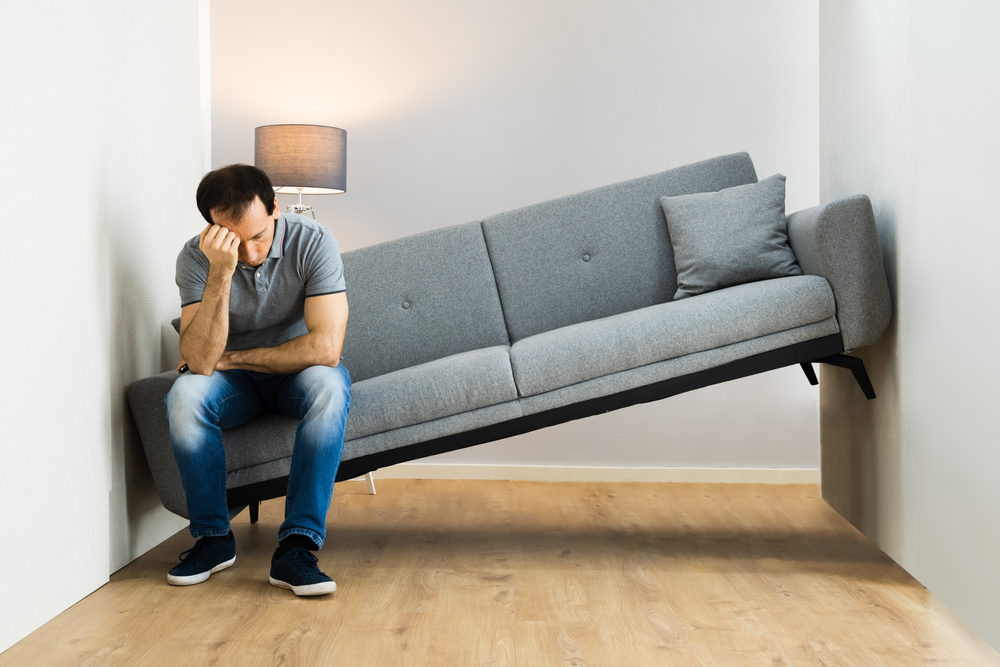
Similarly, choosing furniture that is the wrong size for the space is a common problem; large furniture in a small space creates a sense of clutter, while small furniture in a large space creates a feeling of emptiness and disconnection. The balance here is not only aesthetic but also functional.
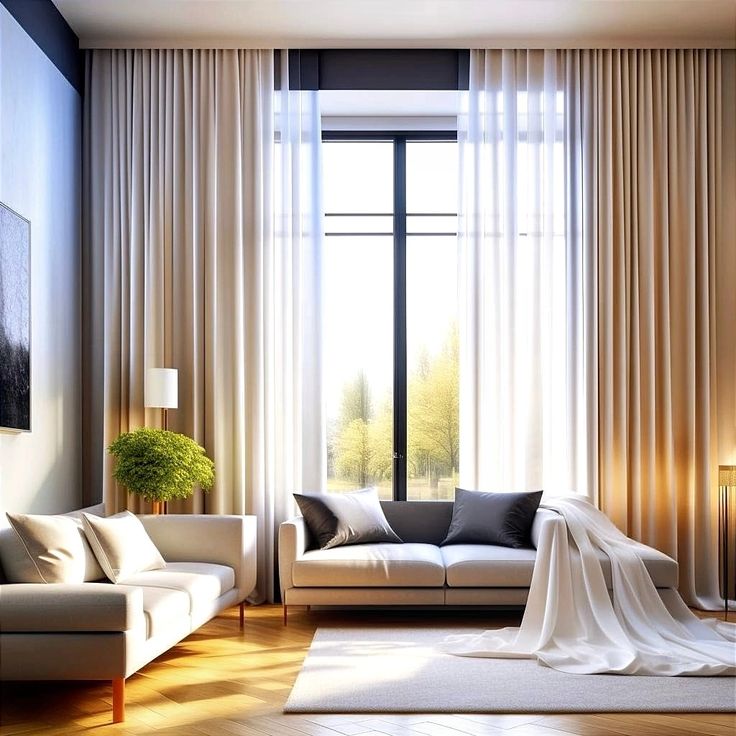
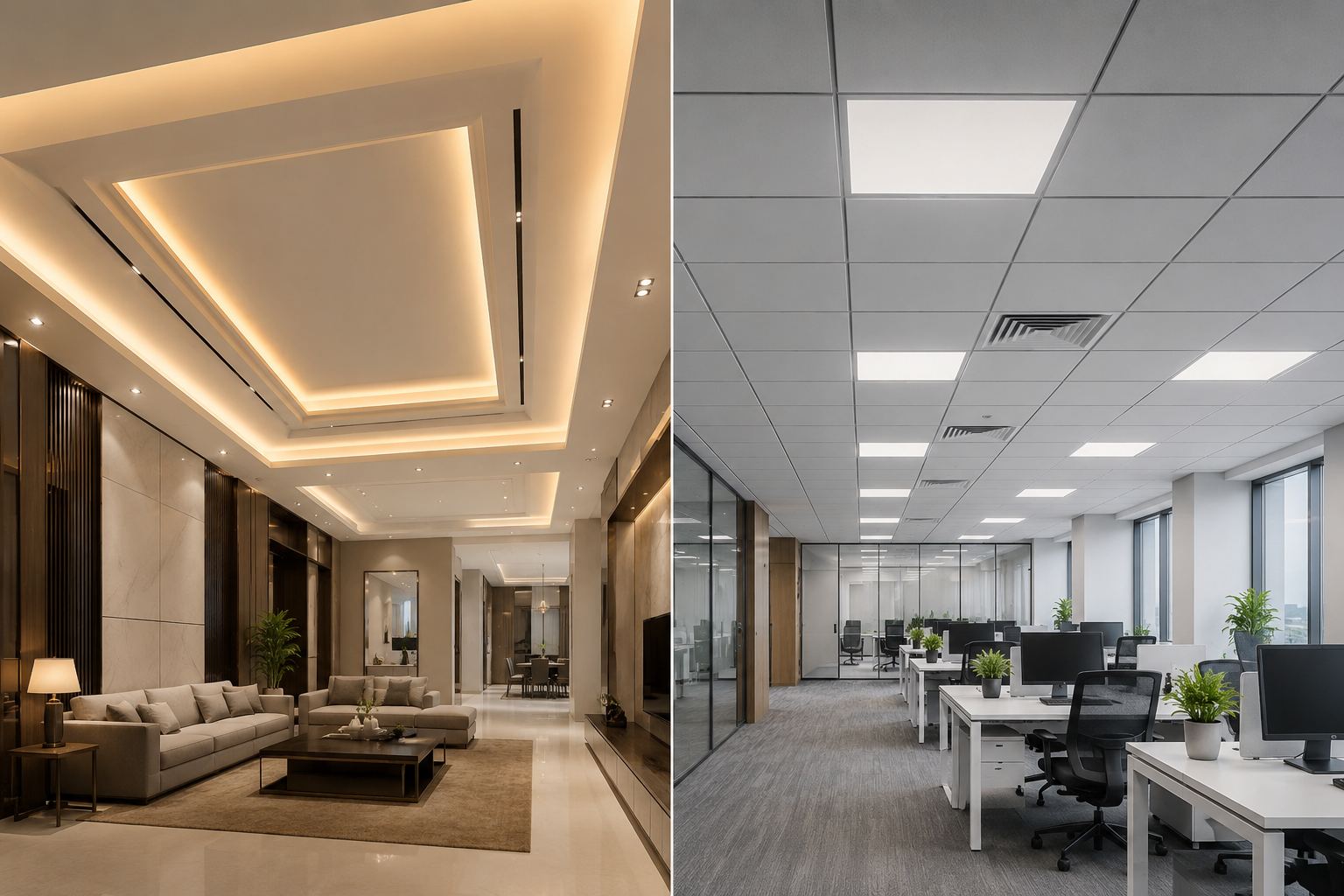
When it comes to lighting, relying on a single light source in the center of the ceiling is a common mistake. Lighting requires a smart balance between general, task, and ambient lighting, tailored to the space’s intended use. Furthermore, ignoring natural light or failing to utilize it properly significantly diminishes the quality of the space.
Avoiding these mistakes doesn’t require complicated solutions, but rather a proper understanding of how elements interact within a space—and that’s what truly sets an ordinary design apart from a professional one.

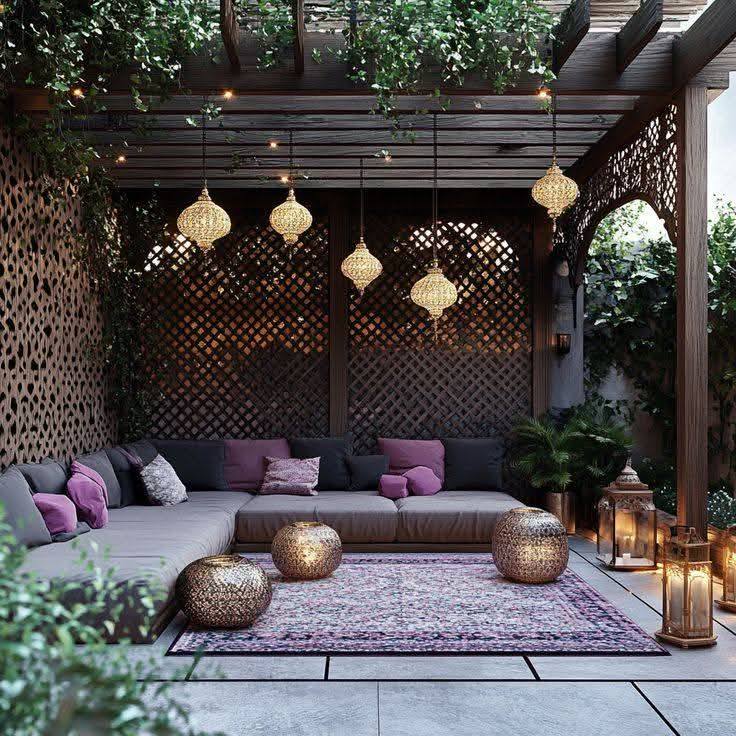
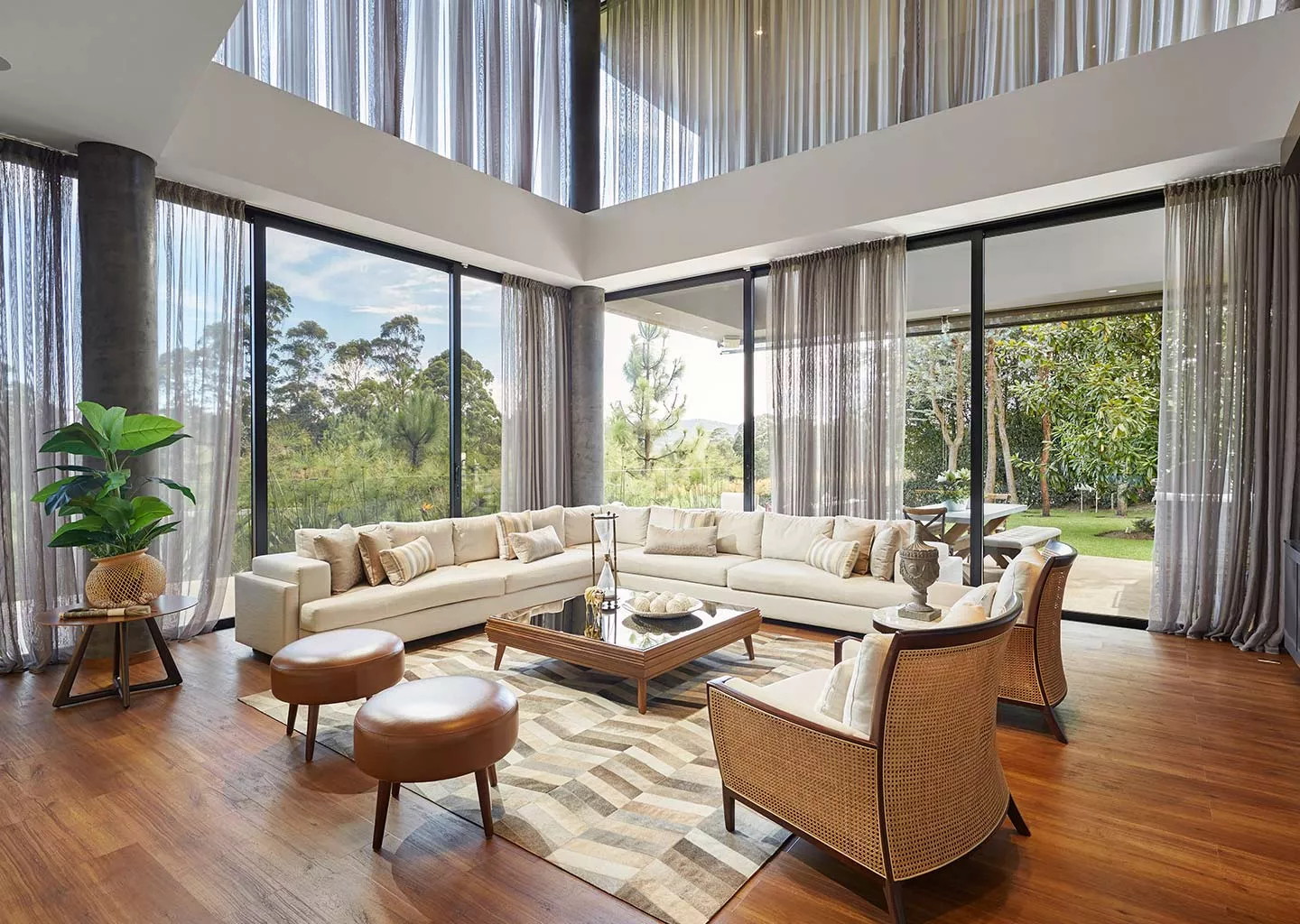
Poorly planned furniture placement can make a space feel smaller and less comfortable.
How do you choose the right solutions to avoid interior design mistakes?
Avoiding common interior design mistakes depends not only on personal taste, but also on a clear methodology that begins with understanding the space’s needs and how it will be used on a daily basis. The first step is to analyze the space in a practical way: Who will use it? What are the primary activities that will take place there? This understanding will later guide decisions regarding furniture layout, lighting, and even the choice of materials.
Next comes smart planning that balances form and function. Furniture should be selected based on actual measurements, leaving ample space for movement. Likewise, lighting should be tailored to each area’s specific use, rather than relying on a single, one-size-fits-all solution.
Relying on a specialist can significantly reduce the margin of error, especially when dealing with complex details such as color coordination or achieving visual harmony. You can explore professional solutions through
Common Interior Design Mistakes
and learn how to transform spaces into balanced environments that combine beauty and functionality.
Ultimately, making the right decision from the start saves a lot of revisions and costs down the line, and ensures a stable result that lasts for a long time without the need for redesign.
How Design Decisions Affect the Cost and Final Value of a Project?
Design decisions not only affect the final look, but also play a direct role in determining the project’s cost and long-term value. Many interior design problems stem from decisions that seem cost-effective at first but later lead to costly modifications due to poor planning or the selection of unsuitable solutions.
For example, choosing low-quality materials or materials that are unsuitable for the intended use may result in frequent maintenance or early replacement. Similarly, mistakes in the layout of furniture or lighting may require partial rework, leading to unexpected costs.
Conversely, proper planning from the outset helps strike a balance between budget and value. Investing in a well-thought-out design ensures that every square foot is used effectively and extends the lifespan of the elements within the space. This not only enhances the quality of the daily experience but also increases the market value of the property, whether residential or commercial.
Therefore, strategic thinking in design is not an additional cost, but rather an essential element for minimizing waste and achieving the best possible return on the project.
Why is Istatieh Decoration a reliable choice for avoiding design mistakes?
When addressing common interior design mistakes, choosing the right contractor is a critical factor in the project’s success. This is where Istatieh Decoration stands out as a choice grounded in practical experience in understanding the real challenges within spaces, rather than merely offering superficial solutions.
The company follows a methodology that begins with a thorough analysis of each space, taking into account the lifestyle or nature of the activity within the project. This approach minimizes the likelihood of interior design issues such as poor furniture layout or the selection of ineffective lighting. Emphasis is also placed on achieving a clear balance between aesthetics and functionality, which translates into user comfort and design sustainability.
Under the leadership of businessman Ayoub Estetia, numerous projects have been carried out that reflect a deep understanding of the Jordanian market, in both residential and commercial sectors. This understanding ensures the delivery of practical solutions tailored to the local context, rather than simply applying off-the-shelf models.
The result is not just a sleek design, but a well-thought-out space that minimizes errors and delivers real value over the long term.
Frequently Asked Questions About Interior Design Mistakes
What are the most common interior design mistakes?
The most common mistakes include poor furniture placement, relying on inappropriate lighting, and choosing colors or materials that don’t suit the nature of the space. These mistakes are often the result of a lack of planning or making hasty decisions without sufficient consideration.
How can you avoid interior design problems from the start?
The most important step is to understand how the space will be used before beginning the design process, and then to develop a clear plan that includes a balanced layout of furniture and lighting. Consulting a professional also helps minimize mistakes and ensures practical and aesthetically pleasing results.
Does lighting really affect the quality of a design?
Yes, lighting is a key element. Choosing an inappropriate lighting layout can make a space feel uncomfortable or fail to highlight its aesthetic details. Therefore, it is important to incorporate multiple types of lighting depending on the intended use.
Can design errors be corrected after implementation?
Some mistakes can be corrected, but often at an additional cost. That is why it is best to plan properly from the start to avoid having to make changes later.
Are all mistakes immediately obvious?
Not always. Some issues become apparent with daily use, such as poor mobility within the space or uncomfortable lighting, so practical evaluation is important—it’s not just about appearance.
Conclusion
Avoiding common interior design mistakes isn’t just a matter of luck or taste; it requires a genuine understanding of how to create a balanced space that serves everyday needs while providing both visual appeal and practicality. Every design decision, no matter how simple it may seem, can have a significant impact on the final result.
If you’re planning to renovate your space or feel that something is off about your current design, the smartest move is to review the details before moving forward or have a professional take a fresh look at it.
| Request a review of your listing |
| Explore design solutions |